|
The idea of establishing a
Textile Institute of world fame was conceived by a group of visionary
industrialists in 1954. To realize this idea the Government of Punjab
joined hands with the leading textile industrialists to form an
Institute of Textile Technology in Faisalabad (then Lyallpur) and
provided sixty-two acres of state owned land free of cost. Kohinoor
Industries, Colony Textile Mills, Dawood Foundation and Lyallpur Cotton
Mills provided funds to the tune of Rs. 2.5 millions, which were
utilized for the construction of building and provision of other
infrastructure. The Government of U.K. provided the bulk of equipment
and machinery, along with the services of experts under Colombo Plan.
Field Marshall Muhammad
Ayub Khan, the then President of Pakistan, laid the foundation stone of
the Institute, on the 12th of October 1959. A Board of Trustees, with
the Minister of Industries as chairman and nominees of the donor
companies as members was constituted to manage the affairs of the
Institute. In order to meet the recurring expenses of the Institute a
Cess was levied by the government on the Textile industry of Pakistan.
Later, in 1965, the Institute was granted affiliation by the University
of Engineering & Technology, Lahore, and it was renamed as “National
College of Textile Engineering”. The first batch of graduate engineers
was passed out in
1966.
In 1973 the administrative
control of the Institute was transferred to Federal Government and it
was renamed as “National College of Textile Engineering”. In 1983, a
Presidential Order was passed.
to run the college affairs
more smoothly through a Board of Governors. The Board consisted of
Federal Minister of Industries as Chairman, seven members from
Federal/Provincial Governments and three members from All Pakistan
Textile Mills Association (APTMA). In 1992, the college received a
comprehensive assistance worth 650 million yen from the Japanese
Government, through JICA program, in the form of latest machinery and
equipment for all the departments of the Institution.
In September 1993, the
management of the college was transferred to All Pakistan Textile Mills
Association (APTMA) and government reconstituted the Board of Governors
taking seven members out of eleven, from APTMA. APTMA has taken many
steps for raising the overall standard of education and improvement of
facilities in the college. The most notable have been: rationalizing
tuition fees, hiring new faculty at competitive salaries, up gradation
of facilities, introduction of semester system and new discipline like
Garment Manufacturing.
The Federal Cabinet on
November 15th, 2002 has upgraded the college as National Textile
University. The President of Pakistan is the Chancellor of the
University. Ever since its inception National Textile University has
been the premier Institute of textile education in the country, meeting
the technical and managerial human resource needs of almost entire
textile industry of Pakistan. It always retained a close relationship
with the industry and industrialists.
Aims
and Objectives
The aim is to develop the
Textile Industry and Human Resources of Pakistan and make Pakistan an
active player in the world economy.
-
NTU is committed to information revolution in every aspect of its
activities.
-
NTU will continue to strengthen its profile as a high standard
University.
-
NTU aims to collaborate with industry; produce high quality research
and provide excellent educational services within the field of its
mission.
-
NTU is committed to launching and establishing facilities for
postgraduate studies in textile and allied fields.
NTU
Core Philosophy
·
NTU
upholds TRUTH, LAW and JUSTICE in all kinds of situations and in all
spheres of its activities.
·
NTU
is committed to decisions based solely on MERIT. This criterion applies
to all aspects of its operations, from Selection and evaluation of its
faculty, staff and students. All programs of the university strictly
adhere to this core philosophy.
·
NTU
programs are designed so that every activity enhances student learning,
individual development, ability to think analytically and problem
solving approach.
·
NTU
considers character building to be an integral aspect of its programs,
as learning without personal integrity will be of little value to an
individual and society. Through out their studies, students are
encouraged to develop a sense of creativity, independent critical
analysis and research techniques.
University Campus
The University campus includes the Administrative
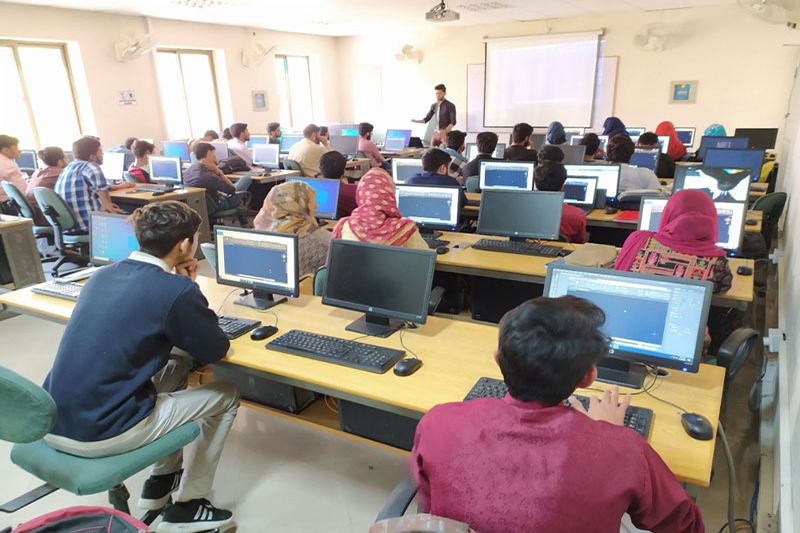
Section, Academic Blocks, Laboratories, Computer Center, Library Block,
Auditorium, Air Conditioning Plant, Faculty & Staff Offices, Teaching
Departments, Testing Lab, Mosque, Play Grounds, Student’s Hostels and
Faculty & Staff Residences.
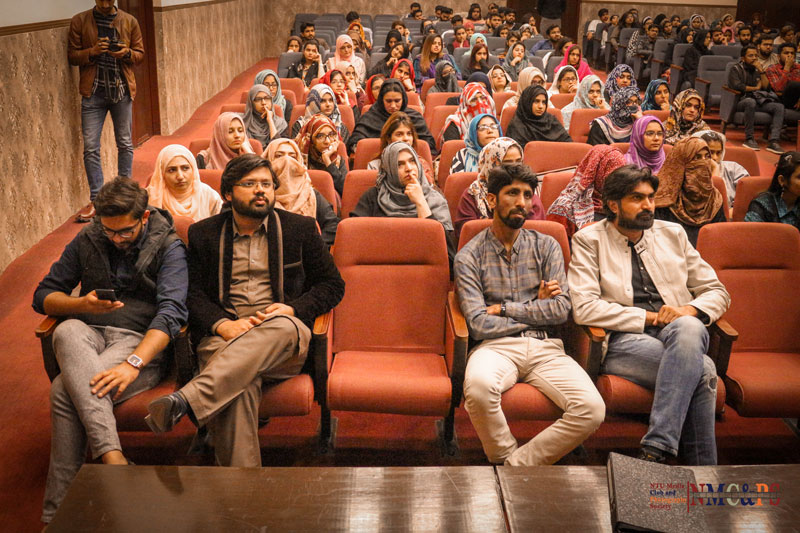
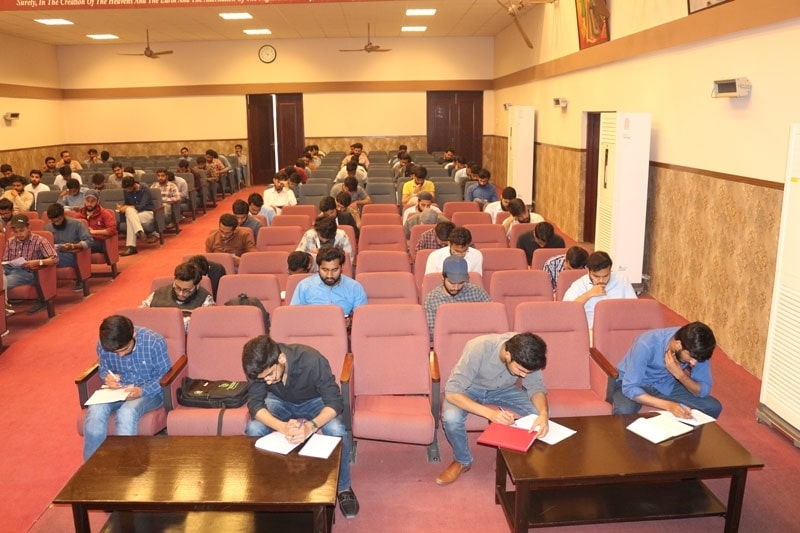
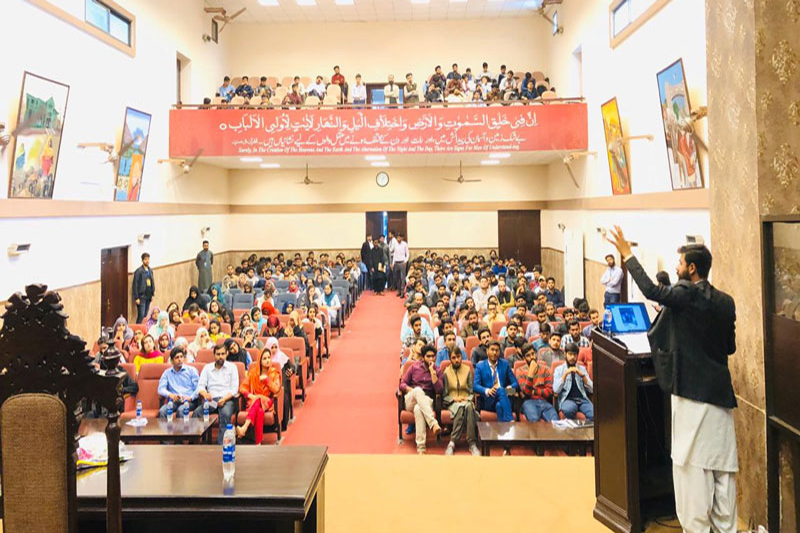
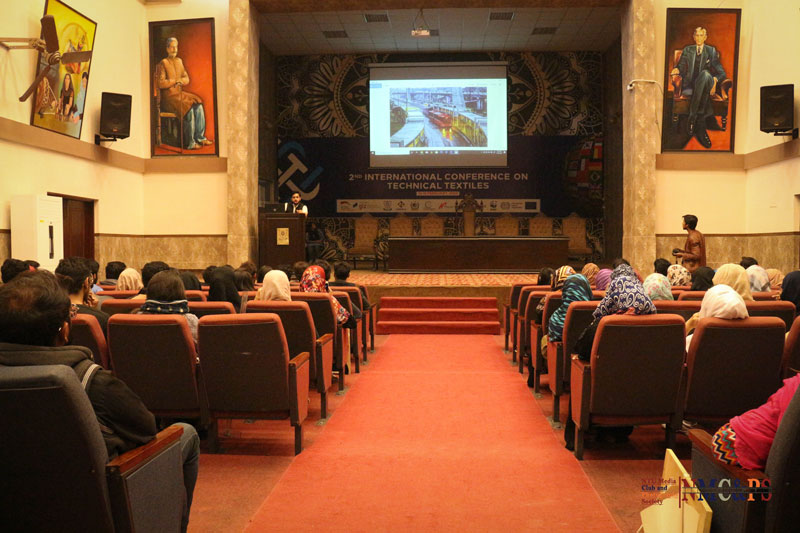
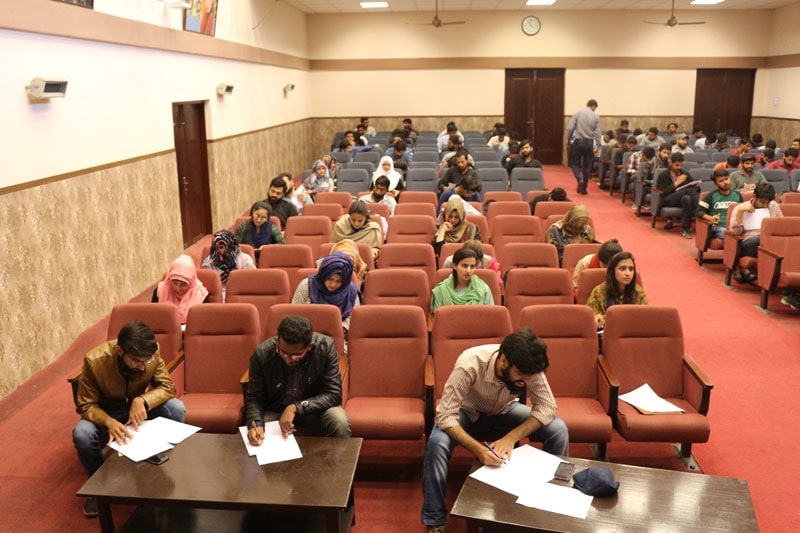
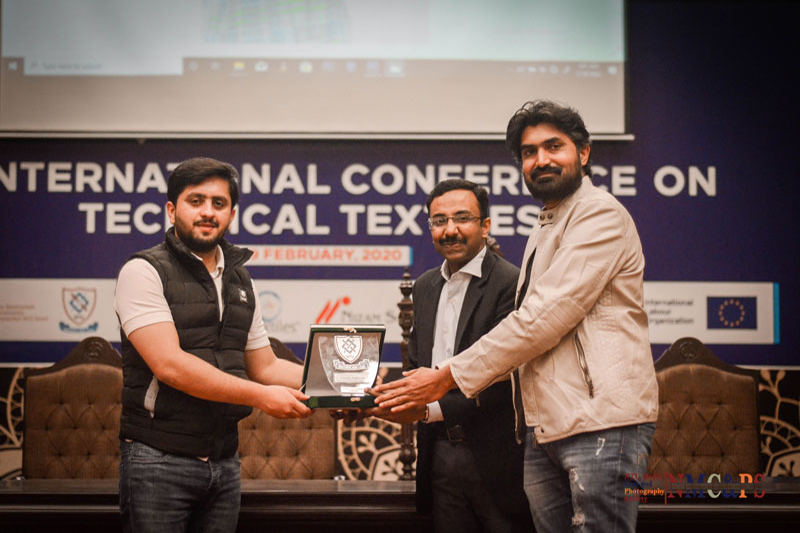
Auditorium
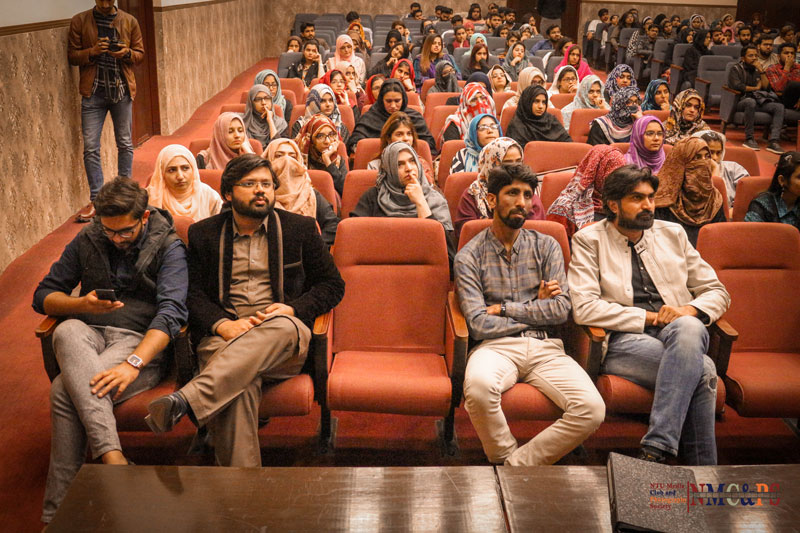
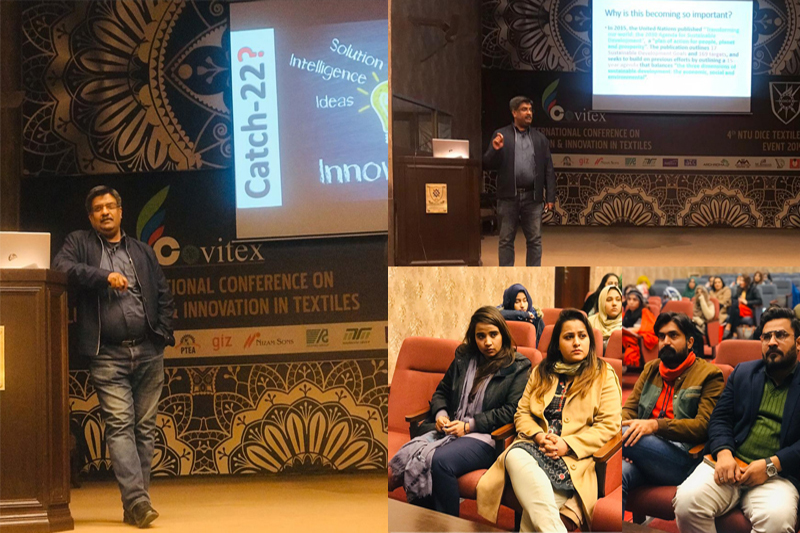
Auditorium occupies place on the left wing of the
academic block. It has a seating capacity of 250 and is a venue
for conferences, seminars, debates, declamation contests and other
functions.
Library
The National Textile University Library is providing
excellent knowledge resources, services and facilities to fulfill the
teaching and research needs of its faculty members, students, staff and
a large number of textile community in Pakistan. The library acquires a
variety of resources regularly in print, audiovisual and electronic
formats to support study and research activities in the University. It
has a covered area of 6000 square feet with the seating capacity of 120
persons at a time.
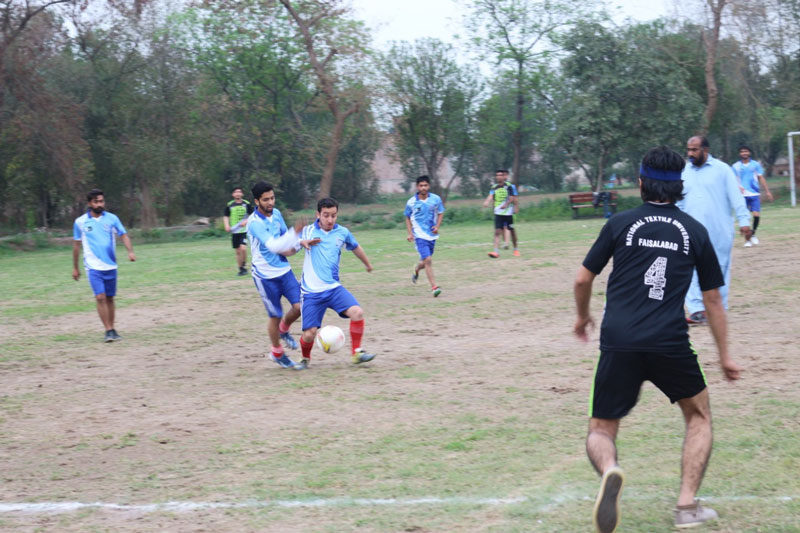
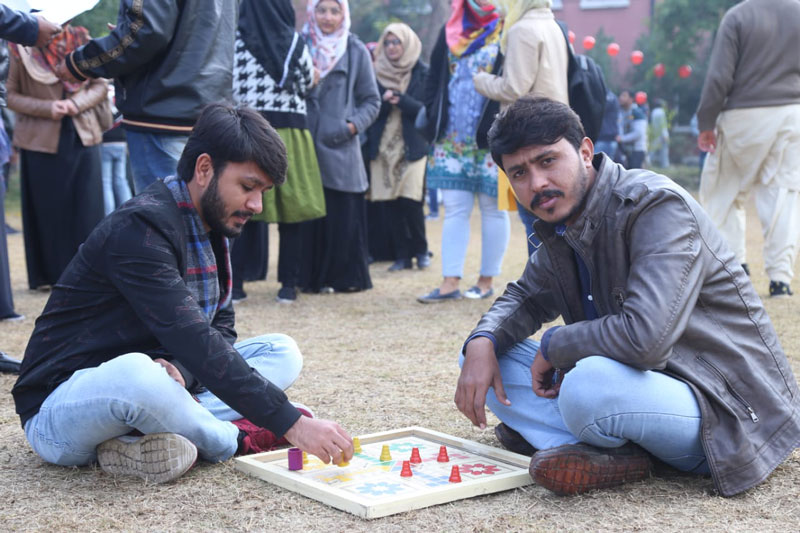
Sports Facilities
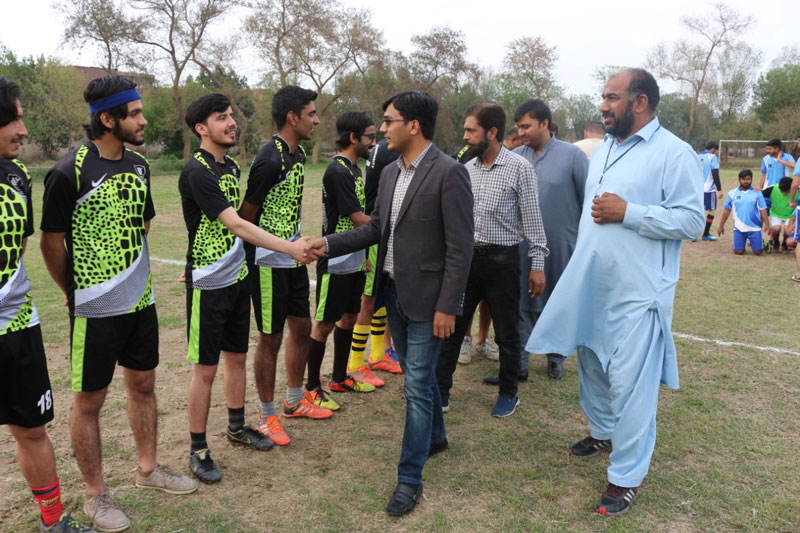
Facilities and ample spaces are available for outdoor
sprots; volleyball, basketball, hockey, football and cricket.
facilities for different indoor games including badminton courts,
excercise rooms and table tennis are also available for university
students. University also conduct inter-semester games.
Students also participate in HEC games.
Transport
The University provides pick and drop services to the
students and staff from the campus to the different areas of the city
according to the approved routes.
Health Care
A clinic supervised by a devoted medical officer has
been setup on the campus to provide health care facilities to students,
employees & their dependent family members.
Student Accommodation
The
University is a residential institution and has facilities to
accommodate majority of the students on the campus. There are three
hostels for boys and an independent hostel for girls to accommodate
about 350 students. The hostels are modestly equipped with furniture and
all basic facilities of life
|