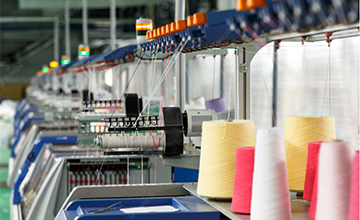
The Department of Yarn Manufacturing occupies the pivotal position in the University as it is catering for the manpower needs of the biggest sector of the Textile Industry. The department has ideal blend of old and new machines for imparting practical training to students, their project works and for finding solution of problems referred by the Industry. Out of the total number of graduates from this Institution, almost 75% are spinner and our spinning graduates are managing about 90% of the Industry.
Apart from working in the conventional spinning units, the graduates have careers in polyester fiber units, merchandising and machinery sales.
The students opting for spinning are imparted comprehensive knowledge of all the aspects of the Textile Industry in general and Yarn Manufacturing in particular. Practical training on machines in the department is supplemented by frequent visits to the Industry, where the students have a chance to see the latest trends of the spinning industry. The teaching faculty consists of well-qualified, experienced and dedicated teachers. The department also offers testing and consultancy services to the industry. Research and development projects are also carried out for different sectors of the industry.
Undergraduate Programme
The department offers a four-year full time course in Textile Engineering with specialization in spinning and the courses have been designed keeping in view the long-term requirements of the local industry and future global trend.
Lab. Facilities
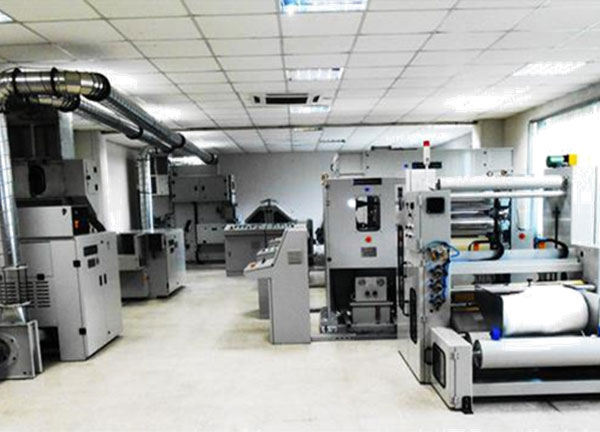
The department has excellent Spinning Laboratory consisting of conventional, semi-modern as well as modern machinery. The air conditioning system provides the required atmospheric conditions to spin cotton and other short staple fibers including their blends for the project works of final year students.
The Quality Assurance Laboratory
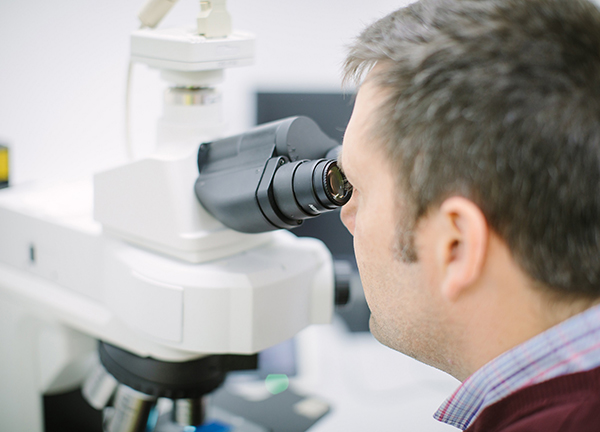
The Quality Assurance Laboratory of the department has a wide range of calibrated equipment on which numerous fibers, yarn and fabric properties are measured in the standard atmospheric conditions. The laboratory is going to be ISO Certified in near future.

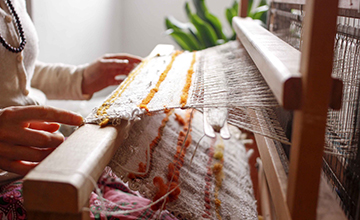
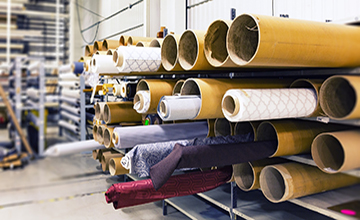
The Department of Fabric Manufacturing is an independent department that focuses its activities on the training of fabric technologists. Every effort is made to equip students with ample knowledge of fabric manufacturing techniques.
Well-qualified and dedicated faculty members carry out the teaching activities. The department is equipped with a full range of weaving as well as knitting machines. Students are given extensive practical training to augment their theoretical knowledge. Regular visits to the fabric manufacturing plants are organized to familiarize the students with the industrial environment and to get first hand feel of the industry.
The department provides testing and consultancy services to the industry in addition to the normal teaching assignments. Research and development projects are also carried out for different sectors.
Undergraduate Program
The department offers a four-year full time course in textile engineering with specialization in weaving & knitting. The undergraduate program offered by the department is based on long established courses of studies, which are designed keeping in view the requirements of the industry. As a result the undergraduate program enjoys an enviable repute because of its quality and contents. The machine mechanisms and fabric structures are taught in detail. This enables students to develop a professional approach towards the subject, which in turn enables them to become efficient managers of fabric manufacturing units.
Laboratory & CAD Facilities
The fabric manufacturing department has excellent laboratory facilities. A range of the latest weaving and knitting machines is available in the department. There are a number of conventional and shuttle less looms where as knitting lab has flat and circular knitting machines. Procurement of new machines equipments is in the pipeline. Computer Aided Design (CAD) facilities for fabric structure design are being added in the lab in order to further strengthen the facilities.
Scope of Employment
Over the years, the graduates of this department have established themselves as highly competent professionals and successful managers in the Pakistani textile industry. As a result students graduating with specialization in fabric manufacturing are readily absorbed in the industry. Currently, the weaving and knitting industry is expanding. This should create more demand for fabric technologists in the future.
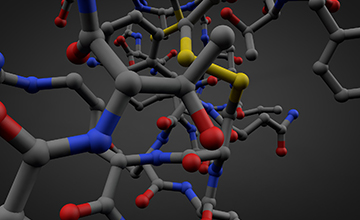
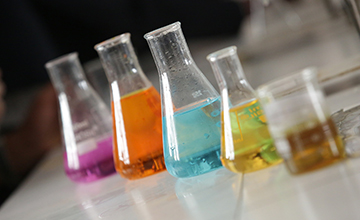
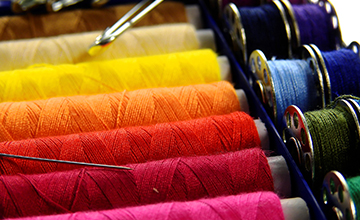
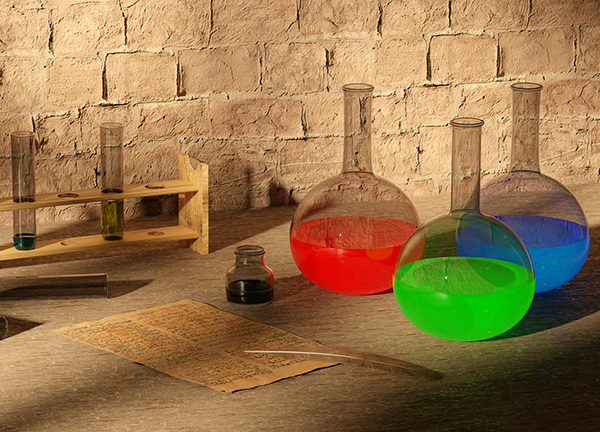
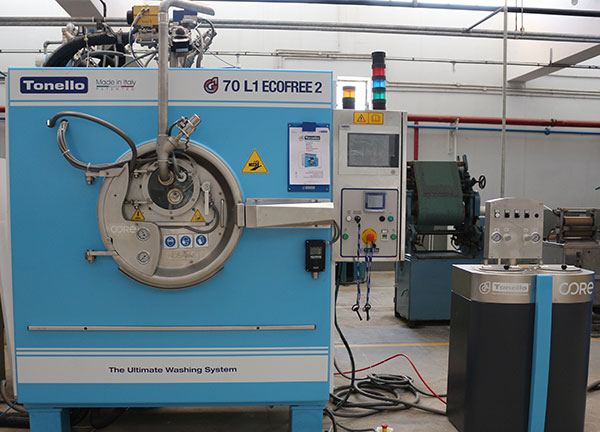
This Department offers a four-year degree programme through a range of courses covering all areas of wet processing of textile materials. The theoretical knowledge is strengthened with extensive practical work. The department of textile chemistry possesses three laboratories.
1. Wet Chemistry Lab for practicals in pretreatment,
dyeing, printing and textile analysis.
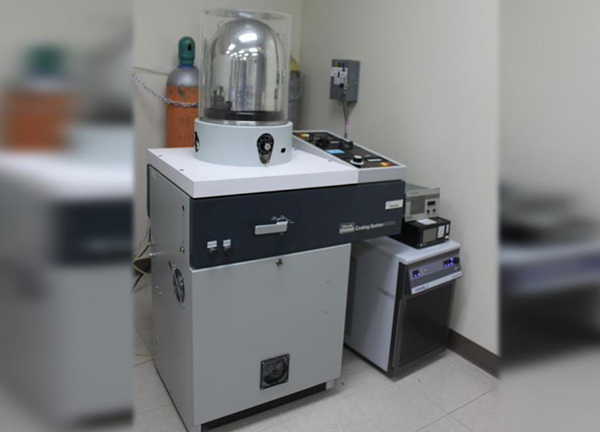
2. Pilot scale production and testing lab, equipped with
state of the art equipment use for developing samples
and testing the samples for quality improvement of
industrial products.
3. Full scale production Hall
The course work is designed keeping in view the current and future requirements of local industry and quality demands of world market. These courses help students in developing fundamental concepts of wet processing accompanied by practical knowledge of the area. The faculty produces graduates with capabilities for working independently on development and production assignments of industry. Our graduates use chemical background to solve practical problems that involve fiber-forming and finishing polymers, dyeing, printing and finishing processes.
In future we are planning to offer courses with special emphasis to knowledge about environmental problems of textile wet processing industry giving graduates the skills to help them adapt well into the 21st century. This will help in producing environmentally safe working in industry and green products.
The Department also provides testing services to local industry. The department has fully trained and skilled staff. The whole faculty works as a team for this important service to industry. The results of this lab are authentic and recognized all over the world.

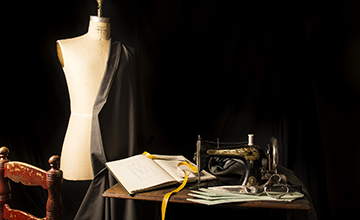
Department of Garment Manufacturing at National Textile University is dedicated to serving the needs of students focused on a career in the Apparel industry. Program is designed to provide students with the education and technical skills needed for a career in a fast-paced, exciting, global industry of garment manufacturing. The department offers a program leading to Bachelor of Science degree in Garment Manufacturing. The curriculum is designed carefully keeping in view the present and future needs of the industry and is fully flexible to be modified to keep pace with the rapidly changing production technologies. Emphasis is placed on developing skills and concepts in students, through laboratory work and many other activities, which will promote professional competence in the garment industry as well as textile industry. In fact, a continuous interchange with industry is the corner stone of our teaching philosophy: internships, special events, symposiums and participation in workshops and competitions are an important aspect at National Textile University.
Labs & Facilities
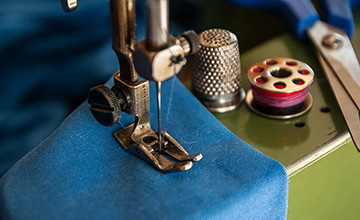
Garment manufacturing lab has specialized equipment required for garment manufacturing including an ample range of latest industrial sewing machines and finishing equipment both for woven and knits. In addition to central computer lab of the university the department itself houses a CAD laboratory equipped with industry standard computer stations by Gerber for pattern making, grading, marker making, custom fitting of patterns, product development and illustration for students to utilize, supported by full-time technical and professional staff. Development of a resource room is underway in order to facilitate the students to review the different kinds of fabrics and accessories, latest information in a variety of garment manufacturing techniques and product development. Fashion and color trends will also be cataloged and made available for student reference and classroom assignments.
Careers in Garment Manufacturing
Career in garment manufacturing does not mean merely dealing in clothing production on shop floor but students are also trained and prepared for positions as marketing executives, merchandisers, clothing engineers, and researchers in textile industry. Job placement assistance is provided through advisement, resume writing, internships and referrals. With so many opportunities, the industry can take a lot of talented people. Thinking of a career in Garment manufacturing someone must have the interest for it and is willing to work hard.
The only good is knowledge and the only evil is ignorance

The Department of Applied Sciences at NTU is playing a vital role in developing the future Textile engineers for the industry. The role of the department is evident from the fact that the foundation of all technical and major courses is developed through the courses taught under department of Applied Sciences. The courses taught by this department are considered as core courses; hence preparing students for the better comprehension of the major courses.
Not only technical but also personal growth and development is one of the most important aspects of human life; especially when one has to maintain one's pace with the current and modern needs of the job. To deal with this aspect, the Department aims to provide students solid foundation that will prepare them to adjust successfully in their careers.
The department is continually striving to improve the quality of its functioning, with special emphasis on the teaching techniques and material, through improving the academic standard and also by regularly upgrading the courses contents.
Laboratories
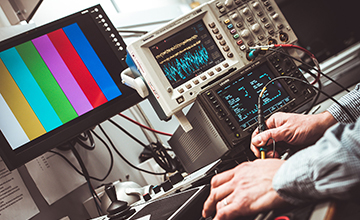
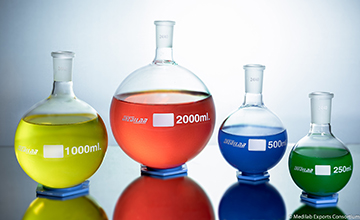
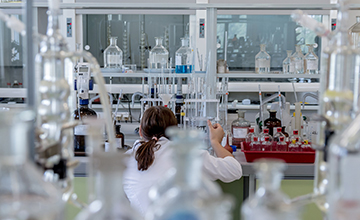
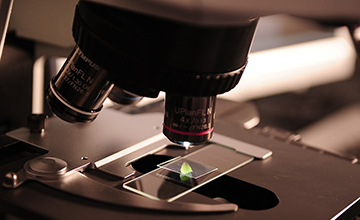
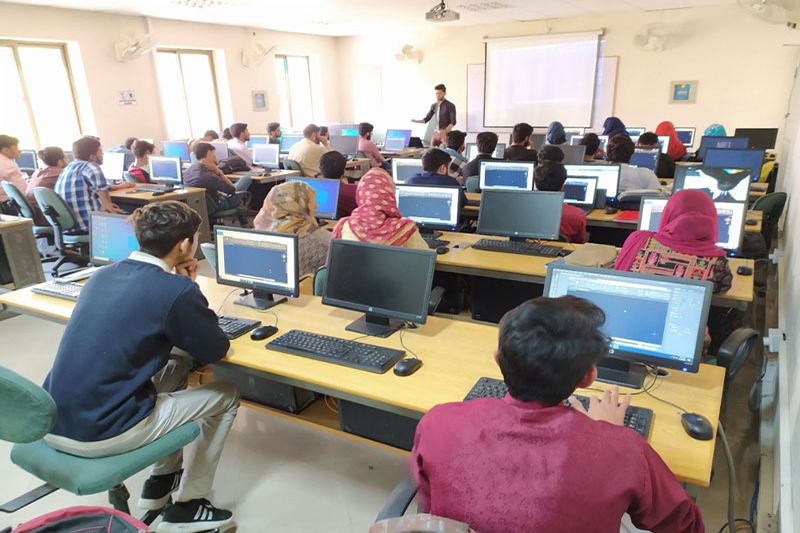
Applied sciences laboratories (Physics, Chemistry, Electrotechnics, Computer,) are a vital component of NTU establishment. These labs provide full support to students to corroborate the knowledge gained in the theory classes. Through lab work, students acquire understanding of basic principals, experimental and analytic skills that are essential for Engineering Degree Programs.
The experiments in these labs are so designed to help students develop a broad array of skills, i.e data analysis, measuring accuracy techniques, and direct observations. Presently there are three basic and one specialized laboratory catering the requirements of applied sciences courses.
Basic Sciences Labs
-
Chemistry Lab
-
Physics Lab
-
Computer Lab
Specialized Labs
Back
|